
The treatment of coffee stains on tableware with dishwasher capsules requires a combination of oxidation decomposition, physical flushing and pretreatment techniques. The following are the specific methods and analyses:

First, the composition characteristics and cleaning difficulties of coffee stains
The main components of coffee stains include tannic acid, caffeine, oil and sugar, which form complex stains on the surface of tableware. Tannic acid is prone to combine with metal ions to form colored precipitates, while grease adheres to the surface of tableware to form an oil film, making coffee stains difficult to remove simply by water flow.
Second, the cleaning mechanism and targeted ingredients of dishwasher capsules
The decomposition effect of oxidants
The oxidants such as sodium percarbonate contained in the capsules release oxygen when they come into contact with water, oxidizing and decomposing the colored substances like tannic acid in coffee stains, converting them into colorless or water-soluble substances, thereby achieving the effect of removing stains.
Saponification of alkaline components
Alkaline components (such as sodium carbonate) can undergo saponification reactions with the oil in coffee stains, generating soluble soap and glycerol, reducing the viscosity of the oil and facilitating its flushing with water.
The emulsifying effect of surfactants
Surfactants can reduce the surface tension of water, penetrate into the gaps between coffee stains and tableware, wrap grease into tiny particles suspended in water, and prevent re-adsorption.
Third, the techniques for dealing with coffee stains with dishwasher capsules
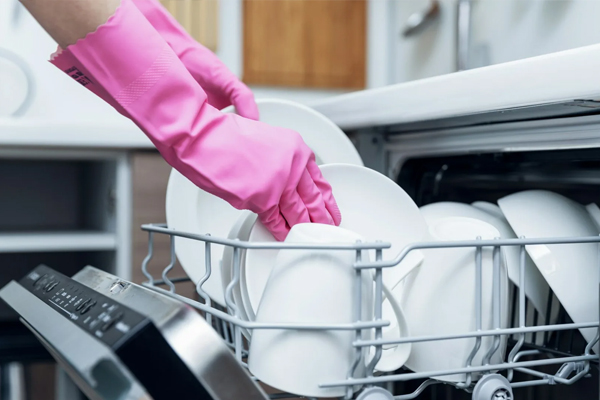
Choose the appropriate washing program
For tableware with a lot of coffee stains, choose a high-temperature (above 70℃) and long-duration (more than 2 hours) washing program. High temperature can accelerate the reaction rate of oxidants and alkaline components, while long-term washing ensures that the components function fully.
Pre-treatment suggestions
Cold water rinse: If the coffee stain has just been stained and the area is not large, you can rinse it from the back of the stain with cold water. This helps to flush out the coffee stain and prevent it from penetrating deep into the tableware.
Soaking and softening: For coffee stains that have accumulated for a long time, you can soak the tableware in warm water for 10 to 15 minutes before washing the dishes to soften the residue and reduce the burden of capsule cleaning.
Optimize the placement of tableware
Avoid overlapping: Ensure there are sufficient gaps between tableware to prevent coffee stains from being blocked or not being washed away by water flow.
Place the side with coffee stains facing down to facilitate direct flushing by water.
Fourth, effect evaluation and improvement
Effect evaluation method
Visual inspection: After cleaning, observe whether the coffee stains on the surface of the tableware have been completely removed and whether there are any remaining color spots.
Hand feel test: Touch the surface of the tableware with your hand to check if there is any sticky feeling or residue.
Improvement direction
Ingredient adjustment: Adjust the proportion of oxidants, alkaline components and surfactants in the capsules based on the actual cleaning effect.
User feedback collection: Collect users’ feedback on the cleaning effect of coffee stains and optimize the product in a targeted manner.
Fifth, Common Problems and Solutions
The reasons for coffee stain residue
Insufficient capsule dosage: Increase the capsule dosage appropriately based on the number of tableware and the degree of stains.
Low water temperature: Check the water temperature setting of the dishwasher to ensure it is within the recommended suitable temperature range for the capsules.
Insufficient washing time: Extend the washing time or choose a stronger washing program.
Solution
Secondary cleaning: For particularly stubborn coffee stains, the secondary cleaning function can be enabled or manual pre-treatment can be carried out.
Regular maintenance: Regularly clean the dishwasher’s spray arm and filter to prevent insufficient water flow due to blockage.
